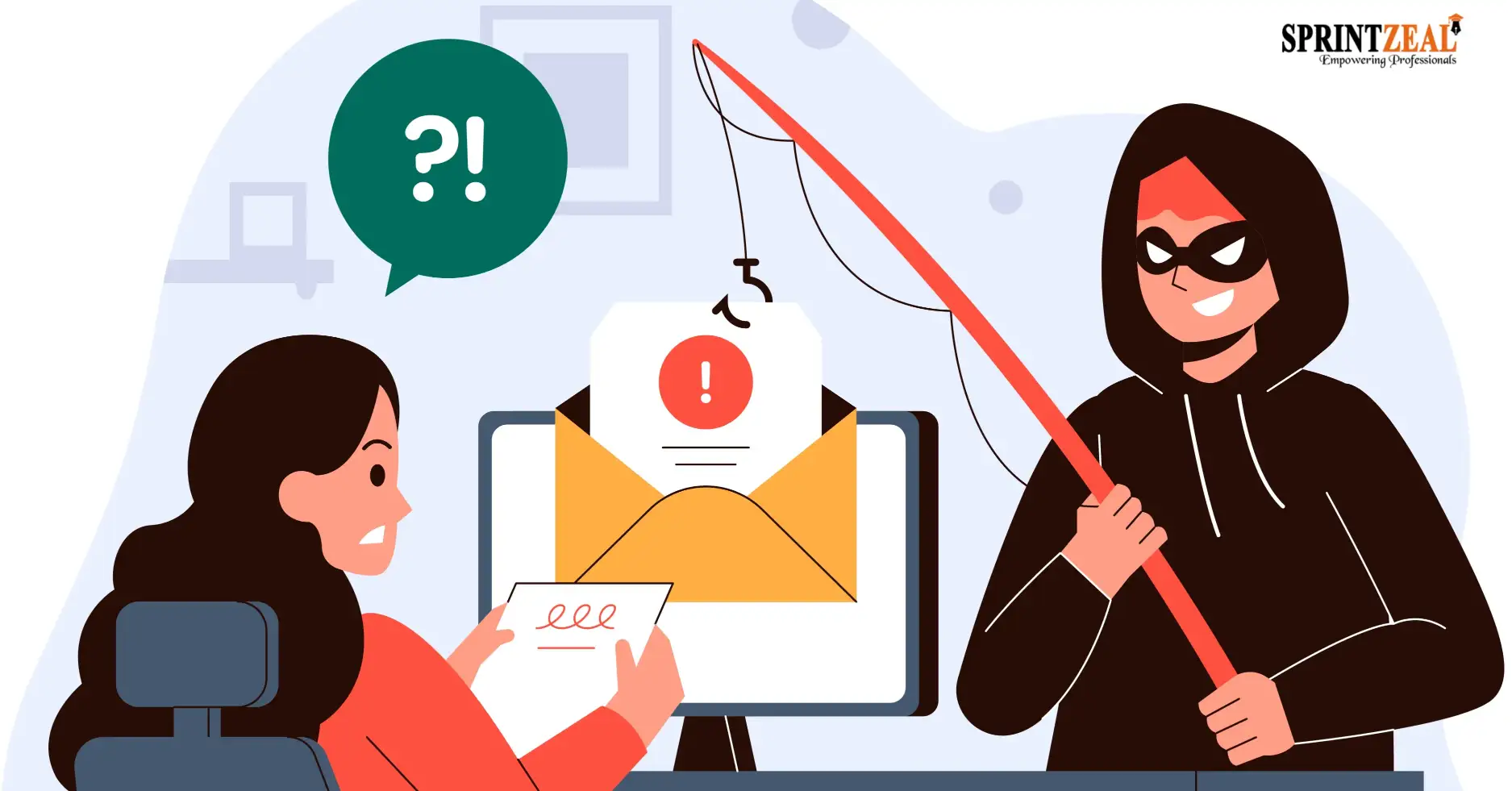
Phishing emails now use AI to mimic tone, grammar, and writing style — making them almost indistinguishable from legitimate messages.
Image Suggestion:
A side-by-side comparison of a traditional phishing email vs an AI-generated one.
How to Prevent It:
-
Use AI-based email filtering systems.
-
Train employees to spot red flags (e.g., fake domains, urgent requests).
-
Implement email authentication protocols like SPF, DKIM, and DMARC.
What it is:
Cybercriminals use AI to create hyper-realistic audio or video deepfakes — often impersonating CEOs, clients, or coworkers to commit fraud.
Image Suggestion:
A split-screen showing a real person and a deepfake version created from their face.
How to Prevent It:
-
Use codeword or multi-factor verifications for sensitive transactions.
-
Educate teams about the risks of deepfakes.
-
Cross-verify voice or video calls for major approvals.
What it is:
Even non-technical criminals can now rent ransomware kits online and target victims. This lowers the barrier to entry for cybercrime.
Image Suggestion:
A dark web marketplace screenshot (blurred appropriately) showing a RaaS listing.
How to Prevent It:
-
Backup data regularly and store it offline.
-
Patch vulnerabilities promptly.
-
Use endpoint detection and response (EDR) tools.

Related Blogs
-
 Why AI Agents Can't Find Your Brand - And What IT Businesses Can Do About It
-
 IT Services in Dubai: The Smart Growth Engine for UAE Businesses
-
 Custom Software Development That Solves Real Business Problems
-
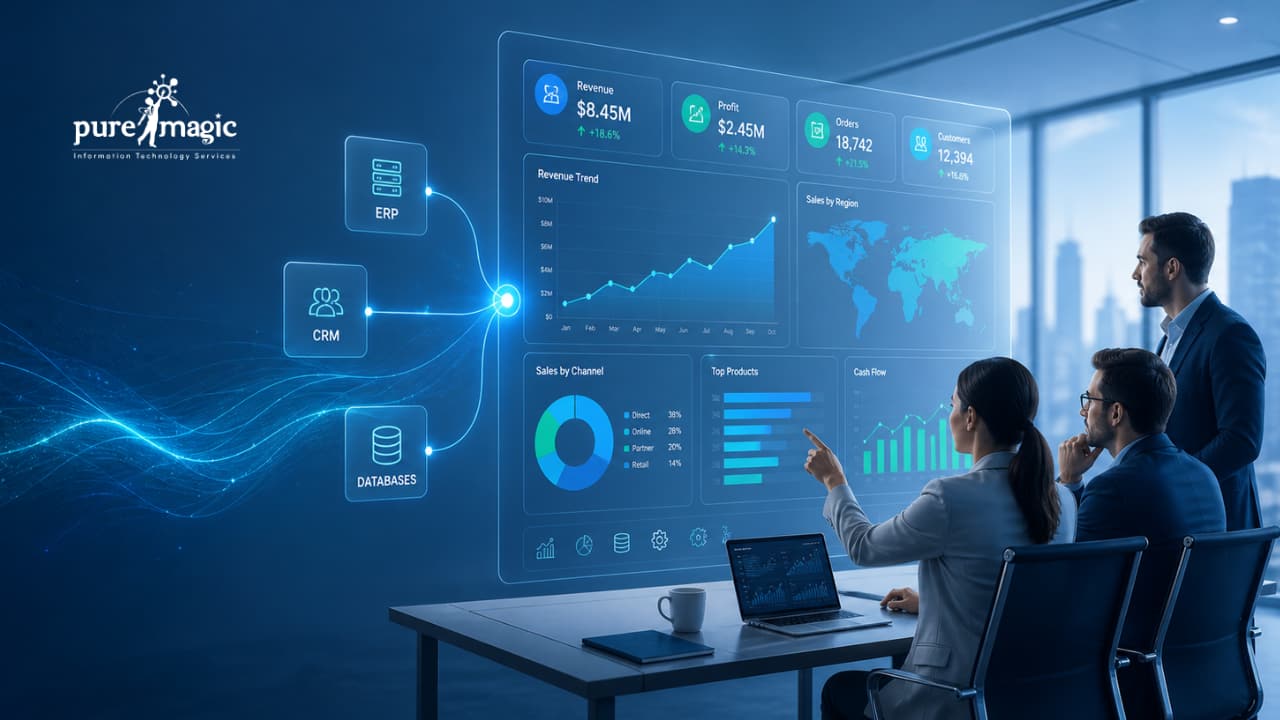 Business Intelligence Implementation: Turning Raw Data Into Smarter Decisions
-
 Advanced Cybersecurity Protection Services: Why Modern Businesses Need More Than Basic Security
-
 Seamless AI Technology Integrations: A Practical Guide for Modern Businesses
-
 IT Services in Dubai: Why Modern Businesses Need More Than Basic Technical Support
-
 Cyber Security Services Dubai: How Smart Businesses Protect Trust Before a Crisis Hits
-
 Custom AI Workflows for Businesses in Dubai: How AI Automation Solves Real Operational Challenges
-
 Top 2025 Marketing Strategies That Defined the Year
-
 AI Tools Every Business Should Adopt Before 2026
-
 Affordable SEO Agency for UK Companies: How Pure Magic IT Services Delivers Better Results
-
 Top Digital Marketing Trends Dubai Businesses Can’t Ignore in 2025